I Spent Years Feeling Like the Ugly Duckling

By Traci Edwards
I remember the first time I tried to make myself prettier. I was maybe twelve, just back from vacation, and I wanted to look like I had that golden glow all the other girls had.
So, I stood in the bathroom and slathered on layers of tanning makeup—face, arms, even my neck—until I looked like a streaky, blotchy version of the person I thought I should be.
When I walked into school the next day, people laughed. And that laughter burned hotter than the fake tan itself.
That’s the thing about being the “ugly duckling”, you start believing you have to earn your place in the pond.
The Comparison Trap That Never Ends
I spent most of my childhood comparing myself to everyone around me.
My friends had perfect hair, straight teeth, and legs that didn’t touch. I had frizzy hair, hand-me-down clothes, and skin that never quite looked like the magazines.
Somewhere between those comparisons and the teasing, I quietly learned to question my worth.
I’d look in the mirror and think: If I could just change this one thing, maybe I’d be enough.
By high school, things shifted. The awkwardness faded, my body changed, and suddenly people noticed me. Compliments replaced jokes. But instead of feeling confident, I felt confused.
I didn’t know how to accept the attention without questioning it.
Compliments made me uncomfortable—I’d deflect, make a joke, or find a way to knock myself back down before anyone else could. I didn’t believe I deserved to feel beautiful, let alone loved.
When you’ve spent years being invisible, visibility can feel like exposure.
When Validation Becomes a Substitute for Self-Worth
That’s when I started seeking validation in the only ways I knew how through attention, through attraction, through saying yes even when I wanted to say no.
I thought if someone desired me, it meant I mattered.
But really, I was trying to fill a hole that self-hate had carved deep inside me. The “ugly duckling” hadn’t disappeared, she’d just learned to disguise herself as someone confident.
The Weight I Carried Wasn’t Fat
In my twenties, I carried that same insecurity into a new version of myself. I moved to Orange County, where beauty feels like a currency.
Everyone seemed effortlessly perfect—tanned, toned, polished. I’d walk into rooms and instantly compare. My confidence would drop to the floor before I did.
I fixated on every part of my body that didn’t match the standard. My thighs, my hips, my “saddlebags.” I’d stare at them in the mirror and think, This isn’t just fat. This is failure.
I remember calling my mom, crying, asking her to co-sign for plastic surgery. I was desperate to fit in. Desperate to belong. My mom told me she understood and if she had the opportunity, she probably would’ve done it herself.
Well, that resonated! It made me feel both seen and validated in the wrong ways.
Before the surgery, I’d dread putting on a bathing suit around my perfectly put-together friends.
Even being naked in front of my boyfriend at the time was rough.
I thought maybe the surgery would fix that maybe it would fix me. And for a moment, it did. Until he cheated on me. Then all that confidence unraveled, and I was back to square one, convinced I still wasn’t pretty enough, not polished enough to keep someone from wandering.
Disclaimer: he was just a real big dick who cheated on every girlfriend he ever had.
I remember staring at my new body in the mirror thinking, how did I change everything and still feel the same?
That’s when it hit me this was never about him.
It was about me still trying to fix what was never broken.
It took me years to understand that the “weight” I was carrying wasn’t just physical.
It was emotional. It was the weight of low self-esteem, the years of comparing, the constant pressure to be what others would find beautiful.
I’ve spent so much time trying to change my reflection that I forgot to nurture the person inside it.
Seeing Myself Without the Filter
Even now, I still catch myself spiraling, just at a different age in life.
What’s wild is realizing that even as the years change your face and body, the voice inside you doesn’t always grow up with you.
Now I am judging things like, wrinkles, why is my skin losing elasticity, what the fuck with all these dimples. It doesn’t get easier for me.
I mean there are times when someone gives me a compliment, and instead of saying “thank you,” I feel this pull to dismiss it, to make a joke or correct them.
It’s like my brain still doesn’t believe I’m worthy of kindness without earning it. But the older I get, the more I see that little girl in the bathroom, covered in streaky tanning makeup, and I just want to hug her.
I now catch myself in these moments and simply say “shut the fuck up, Traci, you need to be grateful just for being and you are enough, have always been enough and you always will be enough.”
The truth is, the “Ugly Duckling Syndrome” isn’t really about looks. It’s about belonging.
It’s about the parts of us that still believe we have to prove our worth to be loved, to be seen, to be enough.
The moment I started facing that truth, naming it, understanding it, and forgiving it, I began to reclaim something I hadn’t felt in a long time: peace.
Learning to Love the Reflection
And no, it’s not like I woke up one day loving every part of myself. Healing doesn’t look like a before-and-after picture.
It looks like choosing to be kind to yourself in the mirror. It looks like catching those cruel thoughts mid-sentence and saying, “Not today.”
It looks like gratitude—for your body, your story, your resilience.
Here’s what I remind myself on the days that old story tries to sneak back in:
1. Catch the comparison. The minute you feel yourself stacking your worth against someone else’s, pause. Comparison is a thief that steals your peace.
2. Speak to yourself like someone you love. If you wouldn’t say it to your younger self, don’t say it to your reflection.
3. Stop deflecting compliments. Just say thank you. You don’t need to earn kindness; you just need to receive it.
4. Do something kind for your body. Movement, rest, hydration, touch—it’s not about fixing yourself, it’s about honoring yourself.
5. Reframe your reflection. What if every flaw was just a feature that makes you human? What if the goal wasn’t perfection, but peace?
I still have days where I feel like that awkward little girl again.
But now, I remind myself that every “ugly duckling” story ends the same way—with transformation.
The trick is realizing that becoming the swan was never about changing what you look like. It was about finally seeing who you already are.
So maybe that’s where I’ll leave this:
Next time you look in the mirror, try saying one kind thing to yourself. Just one.
Because the moment you start seeing your own beauty, the rest of the world can finally see it too.
"Remember, getting unstuck isn't about having all the answers—it's about being willing to ask better questions."
- Traci ❤️
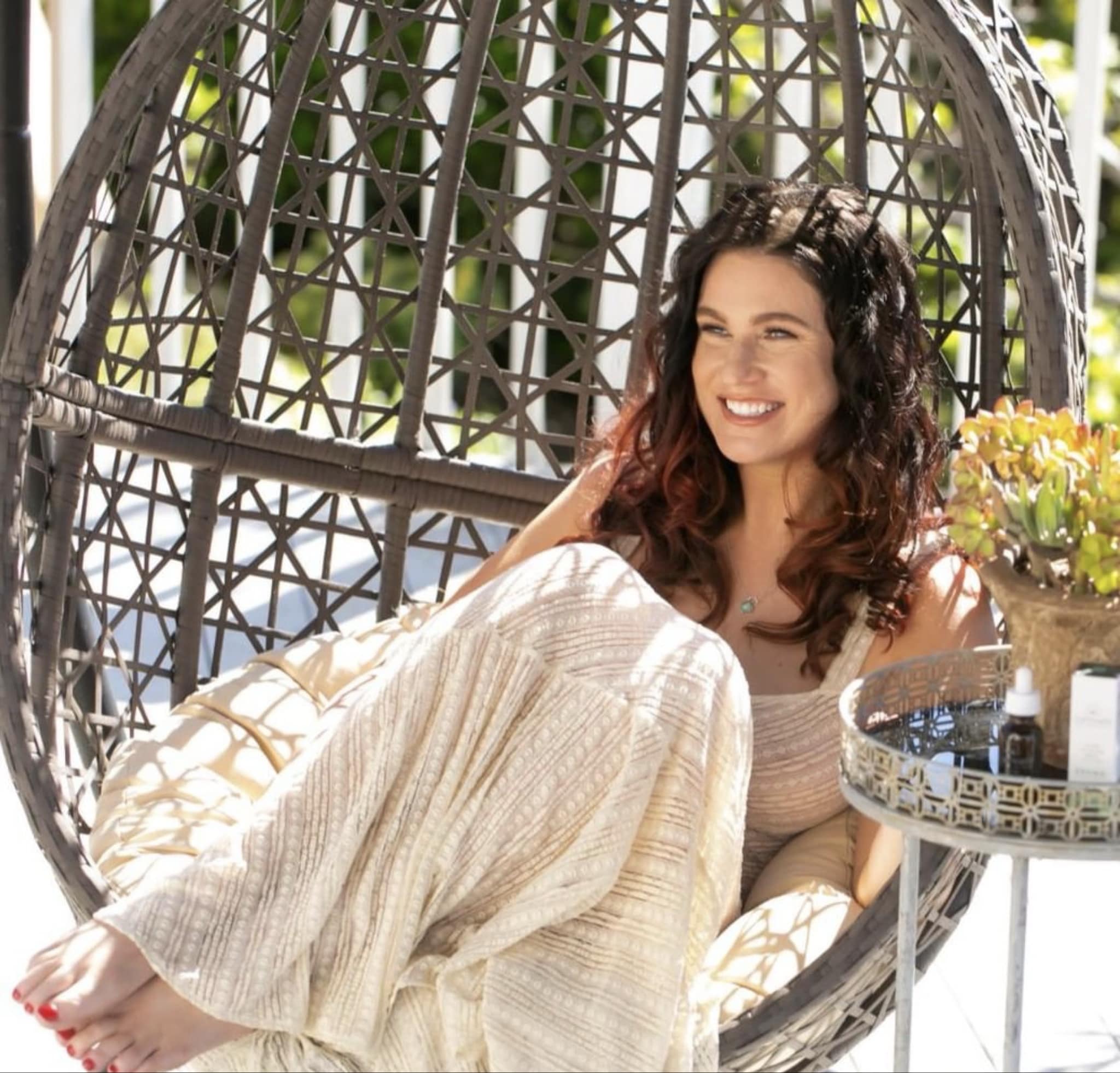
About Traci Edwards
Traci Edwards is the founder of Let's Get Unstuck, a personal growth platform born from her own journey through feeling stuck, afraid, and uncertain at 44. After discovering transformational coaching wisdom that changed her life, she created this space to share the voices, stories, and insights that helped her—and might help you too.
Through honest reflections and curated coaching segments, Traci invites others to explore what it means to get unstuck, find purpose, and live with more courage and clarity.
More Posts You Might Like
Continue exploring stories and insights
My Mother-In-Law Pressured Me to Have a Baby and Almost Broke Me
Ali Hall has known since childhood that she wanted to live a childfree life, but choosing not to hav...
.jpeg)
Grief and Aikido: Relaxing Under Pressure
In this thoughtful reflection, Gyani Richards explores how the principles of Aikido offer a powerful...
Why a Dietitian is the Missing Piece in Your Perimenopause Journey
Kelly is a wife, a mom of three, and a lifelong athlete. When she began navigating perimenopause her...

Good Girl Syndrome Gave Me a Dissociative Disorder
"I had officially become the good girl, and all it cost me was my sense of self." Writer, journal...
Let's Talk About It (0 comments)
Leave a Comment
Be the first to share your thoughts!