So, the Anatomy Scan Brought Hard News — You’re Not Alone
.jpeg)
A limb difference diagnosis isn’t the end of your story. It’s the start of a different
one — full of love, strength, and the kind of joy that defies expectations.
Limb differences are more common than most people realize — but when it’s your baby,
the diagnosis can feel overwhelming. With time, though, love expands. What once felt
uncertain becomes something beautiful. Not less — just different.
Every 1 in 1,900 babies is born with an upper limb difference.
More common than cleft palate.
More common than spina bifida.
But still — most parents have never heard the term “transverse limb deficiency” until
they’re sitting in an ultrasound room, holding their breath.
I was one of them.
And if that’s you now —
Take a breath, mama.
You are not alone.
What the Numbers Say
Let’s talk about facts before feelings — because sometimes, a little truth can break
through the noise of fear:
• 1 in ~1,900 babies is born with an upper limb difference (CDC).
• Roughly 2 million people in North America live with limb loss or limb differences.
• About 60% of congenital limb differences have no known cause — they aren’t
preventable, and they are no one’s fault.
• Children with limb differences show no significant difference in long-term
developmental outcomes compared to peers.
• But parents are 3x more likely to experience prolonged grief or anxiety around
diagnosis — not because of their child, but because of a world that wasn’t ready to
welcome them.
These aren’t just numbers and statistics to me.
They were the backdrop to my pregnancy.
They shaped the way I grieved, learned, and began to advocate.
What I Wish More People Knew
I wish more people knew that a limb difference isn’t a tragedy.
It’s not something to fix.
It’s not a flaw to hide.
It’s not the end of a happy childhood — it’s just a different kind of beginning.
I wish more people knew that kids adapt in ways that will floor you.
That prosthetics are a choice — not a necessity.
That strength can look like a baby reaching for a toy with the one hand he has, and
figuring it out his way.
And I wish more people knew that parents like me are not looking for pity — we’re
looking for representation, for understanding, for kindness in the small moments.
He doesn’t need a replacement. He needs a world that doesn’t assume he’s less.
He’s not inspiring for existing. He’s just a little boy — joyful, whole, beautifully made.
What I Tell Strangers, Friends, and Curious Kids
People mean well — most of the time.
But even kindness can come wrapped in discomfort.
The long stares.
The hushed whispers.
The what happened? from adults who should know better.
I used to freeze. Now, I breathe.
And when I can, I speak.
To strangers, I say:
“He was born with a limb difference — and he’s perfect just the way he is.”
To friends, I say:
“Please don’t feel awkward around us. If you have questions, ask with care. We’d rather
be seen than avoided.”
To kids, I smile and say:
“That’s his little arm. Isn’t it cool how he does things his own way?”
When we model openness without fear, we give others permission to do the same.
I want Theo to grow up knowing his story is not something to hide.
That difference isn’t something to explain away — it’s something to embrace.
And as I’ve stepped into this space, I’ve met other mothers like me.
Some still grieving. Some celebrating.
All of us holding so much love.
I support them when I can — in DMs, in comment sections, in quiet moments behind the
scenes.
Sometimes I speak up on their behalf.
Sometimes I just remind them: you are doing enough. Your child is more than enough.
There’s a quiet but powerful sisterhood forming — and I’m honoured to be part of it.
We advocate not just for our own babies, but for each other.
Because no one should have to walk this road alone.
A Letter to the Mama Who Just Found Out
Dear Mama,
I know this isn’t the path you imagined.
I know your mind is probably racing — and your heart feels heavier than you knew it
could.
So let me say this as gently as I can:
Your baby is not broken.
And neither are you.
You’re allowed to grieve the story you thought you’d have.
To cry.
To question.
To feel afraid.
And — you’re allowed to keep loving forward anyway.
Because love will carry you, even when understanding can’t.
Even when the answers don’t come right away.
Even when the world doesn’t make space — yet.
You’ll see strength bloom in your child in ways you never expected.
You’ll celebrate milestones no one else even notices.
You’ll become an advocate, even when your voice shakes.
And one day — maybe not today, maybe not tomorrow — you’ll stop seeing what’s
missing.
And start seeing everything that’s here.
Love. Laughter. Resilience. Magic.
This journey? It isn’t less.
It’s more.
So mama, if today feels heavy, I hope this gave you a little light.
Because even on the hardest days, love makes room.
For questions. For joy.
For beginnings you never saw coming— but wouldn’t trade now for anything.
You’re not alone. And neither is your baby.
With love,
Your friend — Anna
Takeaway and References
Here are 3–4 that feel most aligned:
• You’re allowed to grieve and love at the same time. Receiving unexpected news about
your child doesn’t make you ungrateful or broken — it makes you human. Holding both
emotions is part of the process.
• Community changes everything. Finding families who have walked a similar road can
replace fear with perspective and hope. You don’t have to do this alone.
• Language matters — especially how you speak to yourself. Shifting from “What will my
child miss?” to “How can I support who they already are?” can be deeply grounding.
• Take this one season at a time. You don’t need to solve your child’s entire future today.
Focus on what’s in front of you — support, connection, and presence matter more than
Certainty.
If helpful, here are a few reference links I often share for further education and support:
• The War Amps: https://www.waramps.ca
• The Lucky Fin Project: https://luckyfinproject.org
"Remember, getting unstuck isn't about having all the answers—it's about being willing to ask better questions."
- Traci ❤️
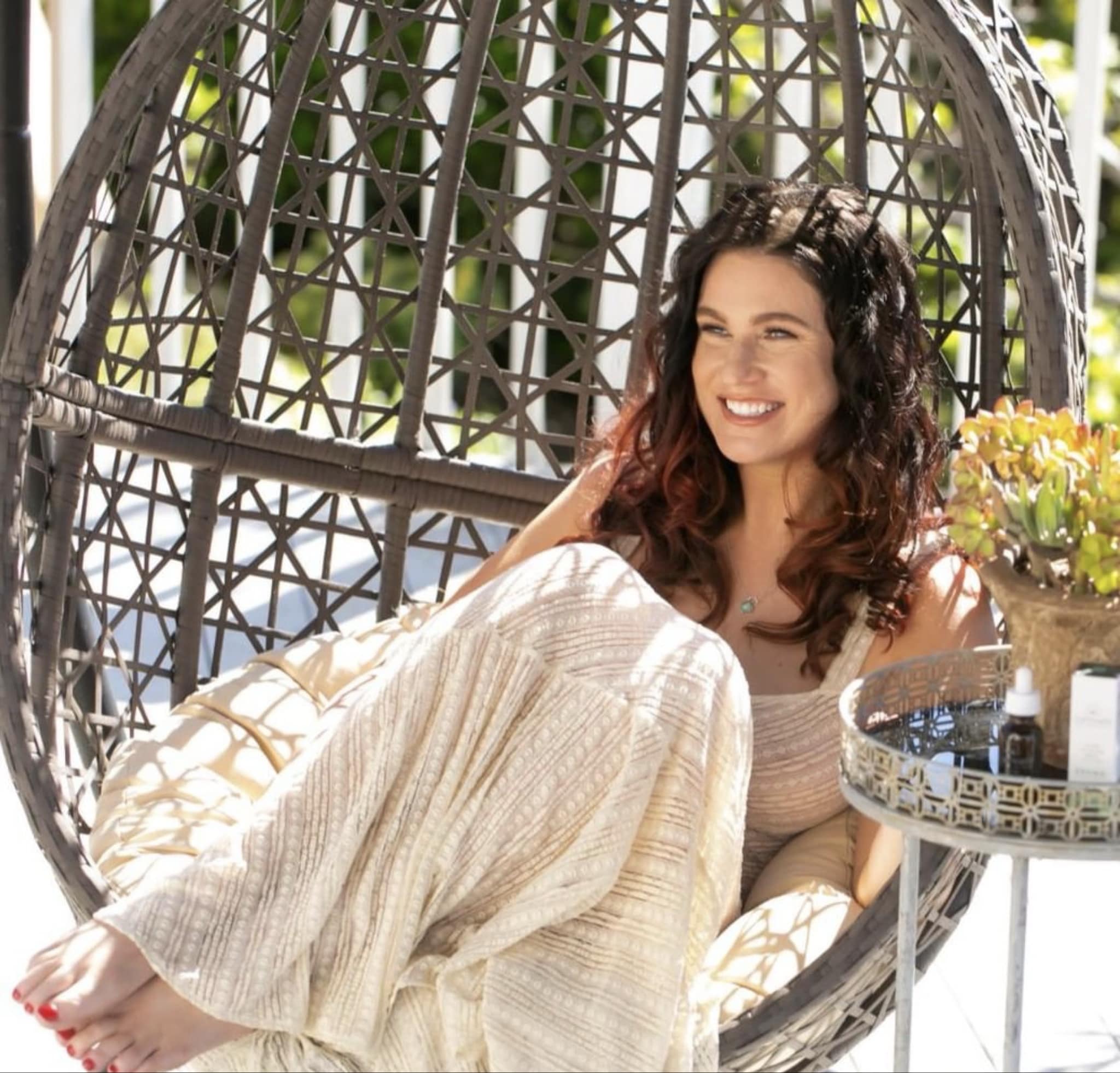
About Traci Edwards
Traci Edwards is the founder of Let's Get Unstuck, a personal growth platform born from her own journey through feeling stuck, afraid, and uncertain at 44. After discovering transformational coaching wisdom that changed her life, she created this space to share the voices, stories, and insights that helped her—and might help you too.
Through honest reflections and curated coaching segments, Traci invites others to explore what it means to get unstuck, find purpose, and live with more courage and clarity.
More Posts You Might Like
Continue exploring stories and insights
My Mother-In-Law Pressured Me to Have a Baby and Almost Broke Me
Ali Hall has known since childhood that she wanted to live a childfree life, but choosing not to hav...
.jpeg)
Grief and Aikido: Relaxing Under Pressure
In this thoughtful reflection, Gyani Richards explores how the principles of Aikido offer a powerful...
Why a Dietitian is the Missing Piece in Your Perimenopause Journey
Kelly is a wife, a mom of three, and a lifelong athlete. When she began navigating perimenopause her...

Good Girl Syndrome Gave Me a Dissociative Disorder
"I had officially become the good girl, and all it cost me was my sense of self." Writer, journal...
Let's Talk About It (0 comments)
Leave a Comment
Be the first to share your thoughts!